
Digital Transformation Strategy: 10 Strategies and 7 Steps

A digital transformation strategy is a plan that shows how your business will use technology, data and new ways of working to reach specific goals. It defines what you want to change, why it matters, which tools you’ll use, who’s responsible and how you’ll measure progress. Here’s the hard truth. Most transformations don’t hit their targets. BCG found that 70% of digital transformations fall short of their objectives. The difference between the ones that succeed and the ones that stall usually isn’t the technology. It’s the strategy behind it. This guide gives you both halves of a strong plan: 10 digital transformation strategies that work, and a 7-step process to build your own. What Is a Digital Transformation Strategy? A digital transformation strategy is a roadmap for changing how your organization works and delivers value using digital technology. It connects business goals to specific initiatives, like automating workflows, moving to the cloud or using AI, and spells out the people, processes, budget and metrics needed to get there. Think of it like renovating a house while you’re still living in it. You need a clear plan for which rooms to fix first, a budget, the right contractors and a way to keep daily life running during the work. Without that plan, you end up with half-finished rooms and a bigger bill. A good strategy answers five questions: Why Do You Need a Digital Transformation Strategy? You need a digital transformation strategy because the stakes are high and the failure rate is too. Companies are spending heavily on digital initiatives, yet most fall short of their goals. A clear strategy keeps investments focused on business outcomes, reduces wasted spending and gives teams a shared direction to follow. The numbers tell the story: Bottom line: Digital transformation is expensive and risky. A strategy is how you protect the investment. Digital Strategy vs Digital Transformation A digital strategy describes how a business will use digital channels and tools to compete, such as its online sales, marketing or customer experience. Digital transformation is the deeper organizational change needed to deliver that strategy, covering processes, systems, culture and skills. In short, digital strategy sets the direction, and transformation makes it real. Digital Strategy Digital Transformation Focus Where and how to compete digitally How the whole organization changes Scope Often channels, products and customer experience Processes, systems, data, culture and skills Timeframe Plans for a set period An ongoing, multi-year effort Example Launch a mobile app to grow online sales Rebuild order, inventory and support systems so the app works end to end Most businesses need both. A digital transformation strategy is the bridge between them. Key Components of Digital Transformation The key components of digital transformation are people, processes, technology and data. People bring the leadership, skills and culture. Processes define how work gets done. Technology provides the tools and platforms. Data connects everything and guides decisions. A strategy that ignores any one of these components is likely to stall. 10 Digital Transformation Strategies That Work The most effective digital transformation strategies start with business goals, put customers at the center, secure leadership commitment and invest in people. They also modernize technology step by step, use data and automation, and build in security from day one. Here are 10 strategies to shape your plan, each with a bottom line. 1. Tie Every Initiative to a Business Goal Don’t start with “we need AI.” Start with “we need to cut order processing time in half.” Every project should map to a measurable business outcome, such as revenue, cost, speed or customer satisfaction. Bottom line: If you can’t name the business goal, don’t fund the project. 2. Put Customers at the Center Look at your business through your customers’ eyes. Where do they wait, repeat themselves or give up? Those friction points are your best transformation opportunities. Bottom line: Fix what customers feel first. 3. Secure Commitment From the Top Down BCG’s research lists leadership commitment, from the CEO through middle management, as one of six key success factors. Executives set direction and budget, but middle managers turn plans into daily action. Bottom line: A transformation without visible leadership support is a side project. 4. Start Small With a Strategic Pilot Pick one high-impact, low-risk use case. Prove the value, learn what works, then expand. A pilot builds momentum and gives you real data to justify the next phase. Bottom line: Small wins build big programs. 5. Redesign Processes Before You Digitize Them Map how work actually flows today. Remove unnecessary steps and handoffs before adding new tools. Then automate what’s left. This is where workflow automation delivers the most value. Bottom line: Better processes first, faster processes second. 6. Modernize Technology Step by Step Replacing every legacy system at once is risky and expensive. Instead, modernize in stages. Use integrations and APIs to connect old and new systems, then retire legacy tools as replacements prove themselves. Bottom line: Modular upgrades lower risk. 7. Make Data a Shared Asset Break down data silos so teams work from the same numbers. Set clear rules for data quality, access and ownership. Good data makes every other strategy more effective, from personalization to AI. Bottom line: You can’t transform what you can’t measure. 8. Invest in Skills and Culture McKinsey’s research highlights capability building, giving workers new ways of working and upgrading their tools as core success practices. Train your teams, hire for missing skills and reward experimentation. Bottom line: Tools change quickly. People change slowly. Plan for both. 9. Use AI and Automation Where They Add Value AI and automation can handle repetitive tasks, speed up decisions and improve customer service. IDC notes that AI and generative AI are major drivers of transformation spending. Focus them on clear use cases with measurable results. Bottom line: Use AI to solve problems, not to chase trends. 10. Build In Security and Governance From Day One Every new system adds new risks. Include security, privacy and compliance requirements in your plans
Matrix Structure: How Matrix Management Works, With Examples
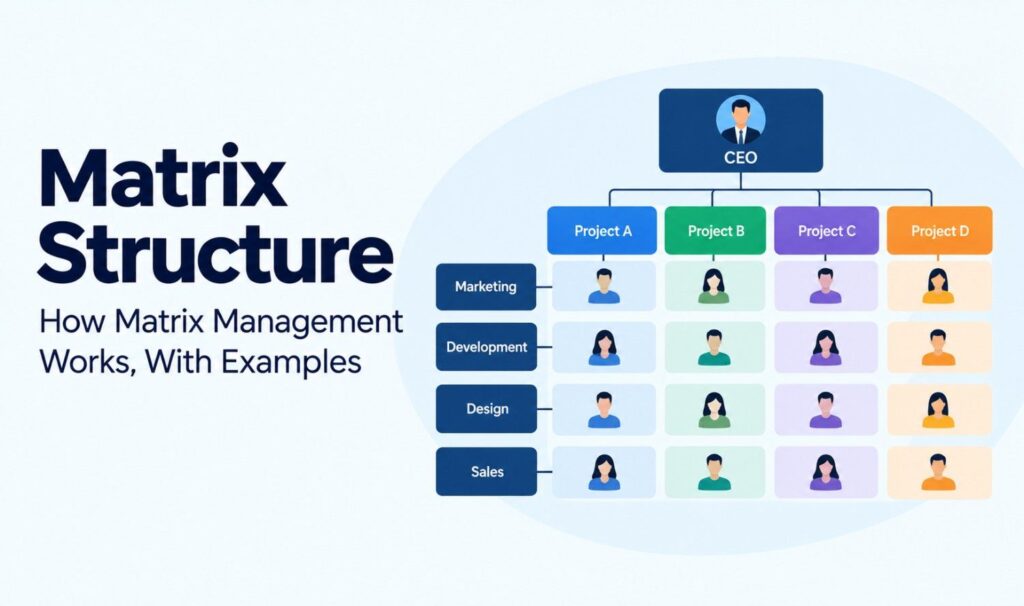
What is a matrix structure? Learn how matrix management works, weak vs strong matrix types, examples, advantages, disadvantages and how to make it work.
Adstotally.com: Ad Network, Blog or Agency? What the Live Site Shows (2026)

Is adstotally.com an ad network? We checked the live site: what it covers, its digital studio, contact details, guest posts, reliability and real ad platforms.
Target Company URL Research: How to Find, Verify and Analyze a Company’s Website

Learn target company URL research: how to find a company’s official website, verify it with ICANN Lookup and state records, spot fake domains and analyze the site.
Research Dossier for Target Company: 10 Sections, Best Sources and a Free Template
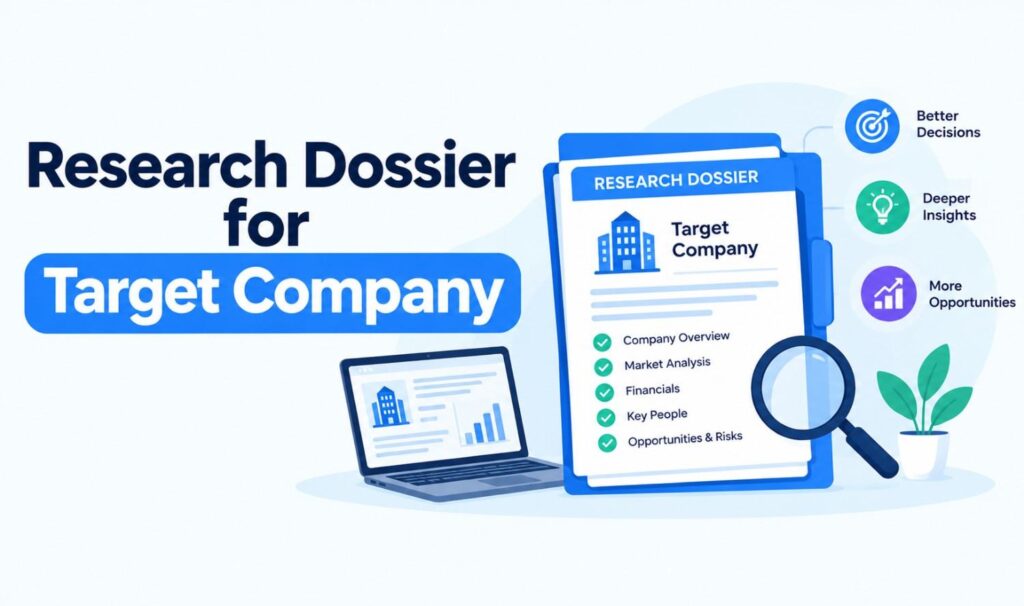
Build a research dossier for a target company: 10 essential sections, free official US sources like SEC EDGAR and PACER, a step-by-step process and a free template.
AI Business Context Refinement: How to Make AI Understand Your Business
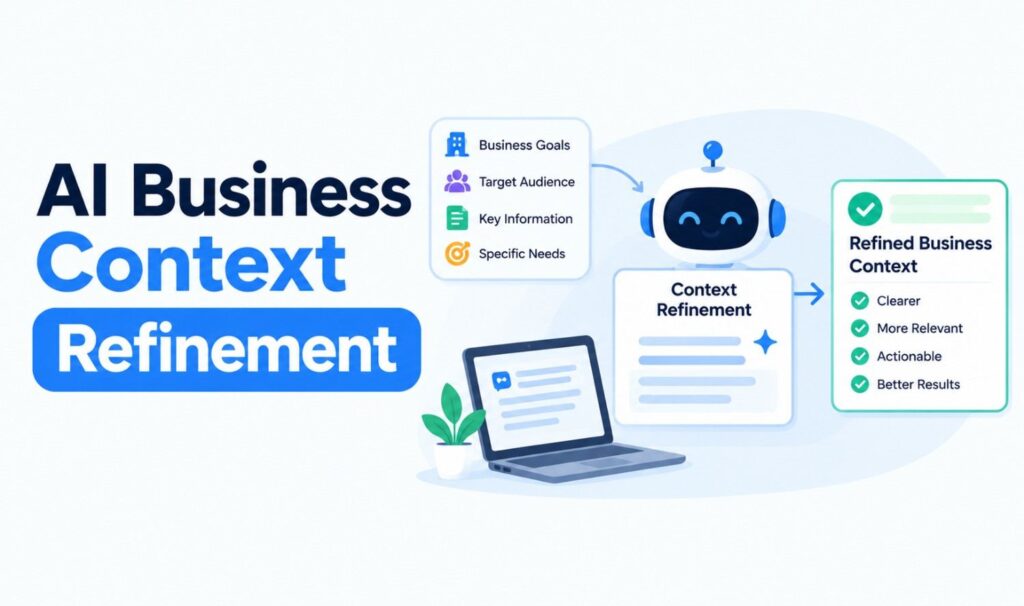
AI business context refinement explained: the four types of business context, 7 steps to refine it, how to validate AI answers and how to keep context current.